














how it works
Workflow-Based Reconciliation Execution
Each reconciliation run follows a clearly defined, step-by-step workflow with explicit stages and statuses. This ensures deterministic execution and predictable outcomes across all reconciliation groups. Teams always understand where the process is and what happens next. The workflow is designed to support high-volume, repeatable operations.

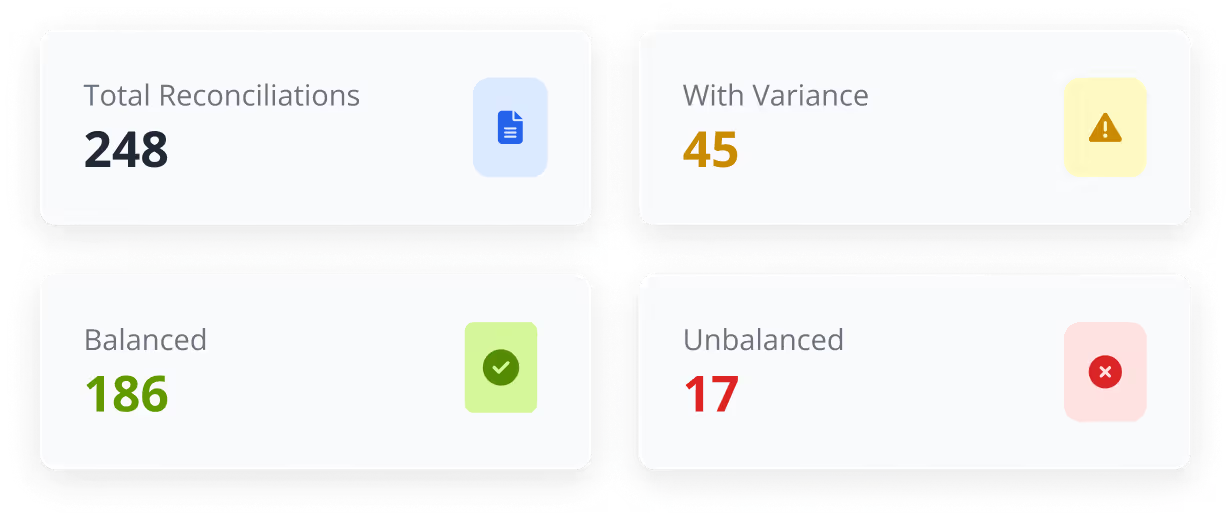
Reconciliation Progress Tracking
Monitor reconciliation progress in real time across all groups and runs. Instantly see which reconciliations are completed, in progress, or require attention. Progress indicators provide operational transparency at scale. This allows teams to react quickly to delays or failures.
Exception & Unmatched Review
Unmatched and partially matched records are reviewed in a centralized interface with full context. Side-by-side comparisons help identify discrepancies quickly. Each exception includes all relevant data needed for investigation. This significantly reduces resolution time and manual effort.


Manual Record Management
For edge cases that require intervention, records can be added or adjusted directly within the reconciliation flow. Manual actions are fully controlled and traceable. This ensures flexibility without compromising data integrity. All changes remain audit-ready.
Record-Level Collaboration
Teams can collaborate directly on individual records using comments and discussion history. All communication stays attached to the specific discrepancy. This eliminates external back-and-forth and preserves investigation context. Collaboration becomes part of the audit trail.

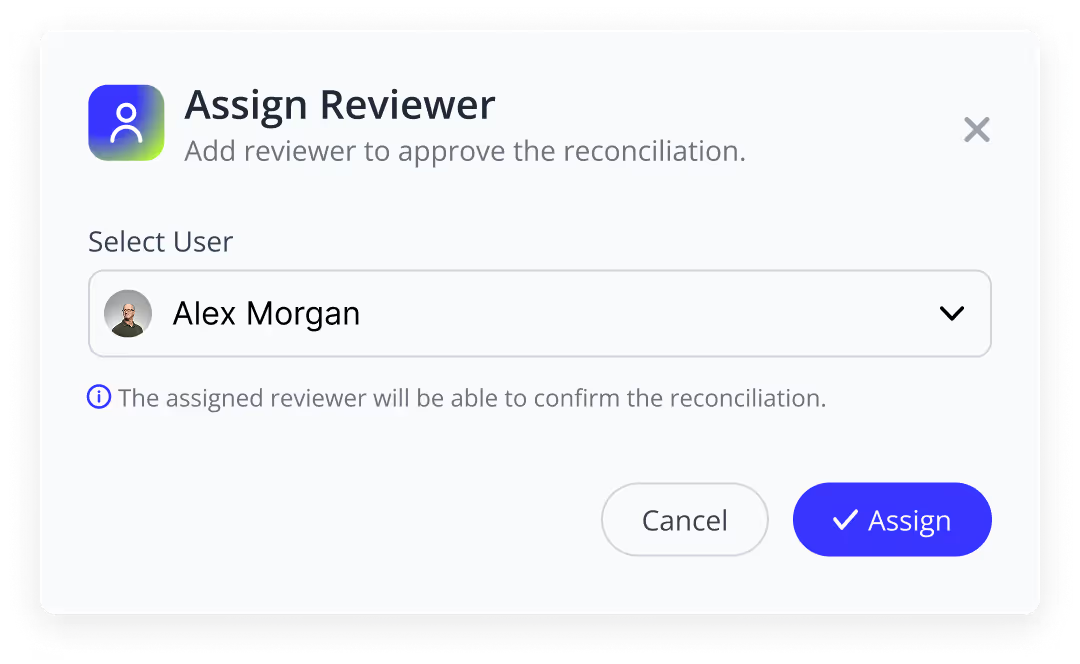
Review Ownership
Each reconciliation can be assigned to a responsible reviewer for final approval. Ownership ensures accountability and prevents unresolved discrepancies. Approval flows support internal controls and compliance requirements. No reconciliation is closed without explicit confirmation.